

- Major Depression
- Bipolar Disorder
- Psychotic Depression
- Persistent depressive disorder (PDD)
- Disruptive mood dysregulation disorder (DMDD)
- Premenstrual dysphoric disorder (PMDD)
- Prenatal depression
Lorem ipsum dolor sit amet, consectetur adipiscing elit. Nunc blandit dui eget ipsum pulvinar tempor. In laoreet elit sodales, finibus lorem nec, rutrum ipsum. Donec eros metus, dignissim posuere justo vitae, pellentesque lacinia justo. Phasellus at ante vitae magna tempus euismod. Praesent porta ipsum at nibh sollicitudin, eu placerat sem consectetur. Vestibulum lorem tellus, mollis vitae orci in, consequat consectetur nulla.
Curabitur in augue eget lorem fermentum egestas.Donec aliquam nulla non velit consequat ullamcorper. Curabitur vitae porta magna. Quisque feugiat velit consectetur lacus aliquet, sed vestibulum justo faucibus. Praesent luctus nunc vel interdum molestie. Pellentesque habitant morbi tristique senectus et netus et malesuada fames ac turpis egestas. Nunc pulvinar bibendum venenatis. Nulla et volutpat dui. Morbi blandit porta sem. Maecenas semper quam tristique ante pellentesque sodales. Proin maximus tempor erat, at laoreet libero fringilla ac.
Bipolar disorder is a mental health condition characterized by significant mood swings, including episodes of mania (or hypomania) and depression. These mood shifts can affect energy levels, activity, sleep, and behavior, impacting daily life.
Types of Bipolar Disorder:
1. Bipolar I Disorder: Involves at least one manic episode, which may be preceded or followed by depressive episodes.
2. Bipolar II Disorder: Characterized by at least one major depressive episode and at least one hypomanic episode (less severe than full mania), but no full manic episodes.
Our comprehensive assessment and evaluation plan can help you understand your symptoms, and our team of psychiatrists and psychologists can help you manage your condition effectively.
It is a severe form of depression characterized by the presence of symptoms of major depressive illness along with psychotic symptoms. This means that in addition to feeling deeply depressed, individuals may also experience hallucinations (seeing or hearing things that aren’t there) or delusions (false beliefs that are strongly held despite evidence to the contrary). Psychotic symptoms usually emerge after an individual has already had several episodes of major depression without psychotic symptoms. The prognosis for psychotic depression is not considered to be as poor as for schizoaffective disorders or psychotic disorders, but those who have experienced a major depressive episode with psychotic symptoms have an increased risk of relapse and self-harming tendency compared to those without psychotic features. Family members are at increased risk.
Most patients report having an initial episode between the ages of 20 and 40. Depression with psychosis tends to be episodic, with symptoms lasting for a certain amount of time and then subsiding. While psychotic depression can be chronic (lasting more than 2 years), most depressive episodes last less than 2 years.
Also known as dysthymia, persistent depressive disorder is a state of chronic depression with subsyndromal features that persists for at least two years (one year for children and adolescents).
Diagnosis of dysthymia can be difficult because of the subtle nature of the symptoms, and patients can often hide them in social settings, making it challenging for others to identify their symptoms.
Dysthymia often co-occurs with other mental and physical disorders. A “double depression” is the occurrence of episodes of major depression in addition to dysthymia.
At least three-fourths of patients with dysthymia also have some physical illness or another psychiatric disorder, such as one of the anxiety issues, drug addiction, personality disorder, or alcohol use disorder. Common co-morbid conditions include major depression (up to 75%), anxiety disorders (up to 50%), personality disorders (up to 40%), somatoform disorder (up to 45%), and substance.
Disruptive mood dysregulation disorder (DMDD) is a disorder in which children or adolescents experience ongoing irritability and anger outbursts. The symptoms of DMDD go beyond “just a bad mood.” They usually are severe.
Youth with DMDD experience significant problems at home, at school, and often with peers. Such children and young adolescents are at an increased risk of developing anxiety and depression in the future.
Children or adolescents with DMDD experience:
* Severe anger outbursts, 3 or more times per week.
* Tantrums that have been happening regularly for at least 12 months
* Chronically irritable or angry mood most of the day.
* Trouble functioning in more than one setting, such as at home, at school, or with peers.
DMDD is diagnosed between the ages of 6 and 10. To be diagnosed with DMDD, a child must have experienced symptoms steadily for 12 or more
Over time, as children grow, the symptoms of DMDD may change. For example, an adolescent or young adult with DMDD may have fewer anger outbursts, but they may begin to exhibit symptoms of depression or anxiety. For this reason, treatment may change over time, too.
Children with DMDD may have trouble in school and difficulty maintaining healthy relationships with family or peers. They also may have a hard time in social settings or participating in activities such as team sports. If you think your child has DMDD, seeking a diagnosis and treatment is essential. Our specialists will help your child develop coping skills with a specific patient- and individual-centric approach.
How is DMDD treated?
Treatment for DMDD generally includes a combination of certain types of psychotherapy and medications. Usually, psychotherapy is considered first, with medication added later. However, our experts at times recommend that children with DMDD should receive both psychotherapy and medication at the start of their treatment.
Lorem ipsum dolor sit amet, consectetur adipiscing elit. Nunc blandit dui eget ipsum pulvinar tempor. In laoreet elit sodales, finibus lorem nec, rutrum ipsum. Donec eros metus, dignissim posuere justo vitae, pellentesque lacinia justo. Phasellus at ante vitae magna tempus euismod. Praesent porta ipsum at nibh sollicitudin, eu placerat sem consectetur. Vestibulum lorem tellus, mollis vitae orci in, consequat consectetur nulla.
Curabitur in augue eget lorem fermentum egestas.Donec aliquam nulla non velit consequat ullamcorper. Curabitur vitae porta magna. Quisque feugiat velit consectetur lacus aliquet, sed vestibulum justo faucibus. Praesent luctus nunc vel interdum molestie. Pellentesque habitant morbi tristique senectus et netus et malesuada fames ac turpis egestas. Nunc pulvinar bibendum venenatis. Nulla et volutpat dui. Morbi blandit porta sem. Maecenas semper quam tristique ante pellentesque sodales. Proin maximus tempor erat, at laoreet libero fringilla ac.
What is perinatal depression?
Perinatal depression includes depression that occurs during pregnancy (prenatal depression) and in the weeks and months after childbirth (postpartum depression). Most episodes of perinatal depression begin within 4−8 weeks after the baby is born. Women and other pregnant and postpartum people with perinatal depression experience extreme sadness, anxiety, and fatigue that may make it difficult to carry out daily tasks, including caring for themselves or others.
How is postpartum depression different from “baby blues”?
“Baby blues” is a term used to describe mild and short-lasting mood changes and feelings of worry, unhappiness, and exhaustion that many women experience in the first 2 weeks after giving birth. Babies require around-the-clock care, so it’s normal for new mothers to feel tired or overwhelmed sometimes.
Specific factors contributing to perinatal depression can include:
Life stress (for example, demands at work or experiences of past trauma)
Physical and emotional demands of childbirth and caring for a new baby
Changes in hormones that occur during and after pregnancy.
At Samatva, our mission is to empower women through holistic health services that prioritize their unique needs and promote their overall well-being.”
We believe in creating a supportive and inclusive environment where every woman feels valued, heard, and empowered to take charge of her health.”
Our experts provide
Tailored Health Services: “Our specialized programs address the physical, mental, and emotional health of women, providing resources for reproductive health, mental wellness, and preventive care.
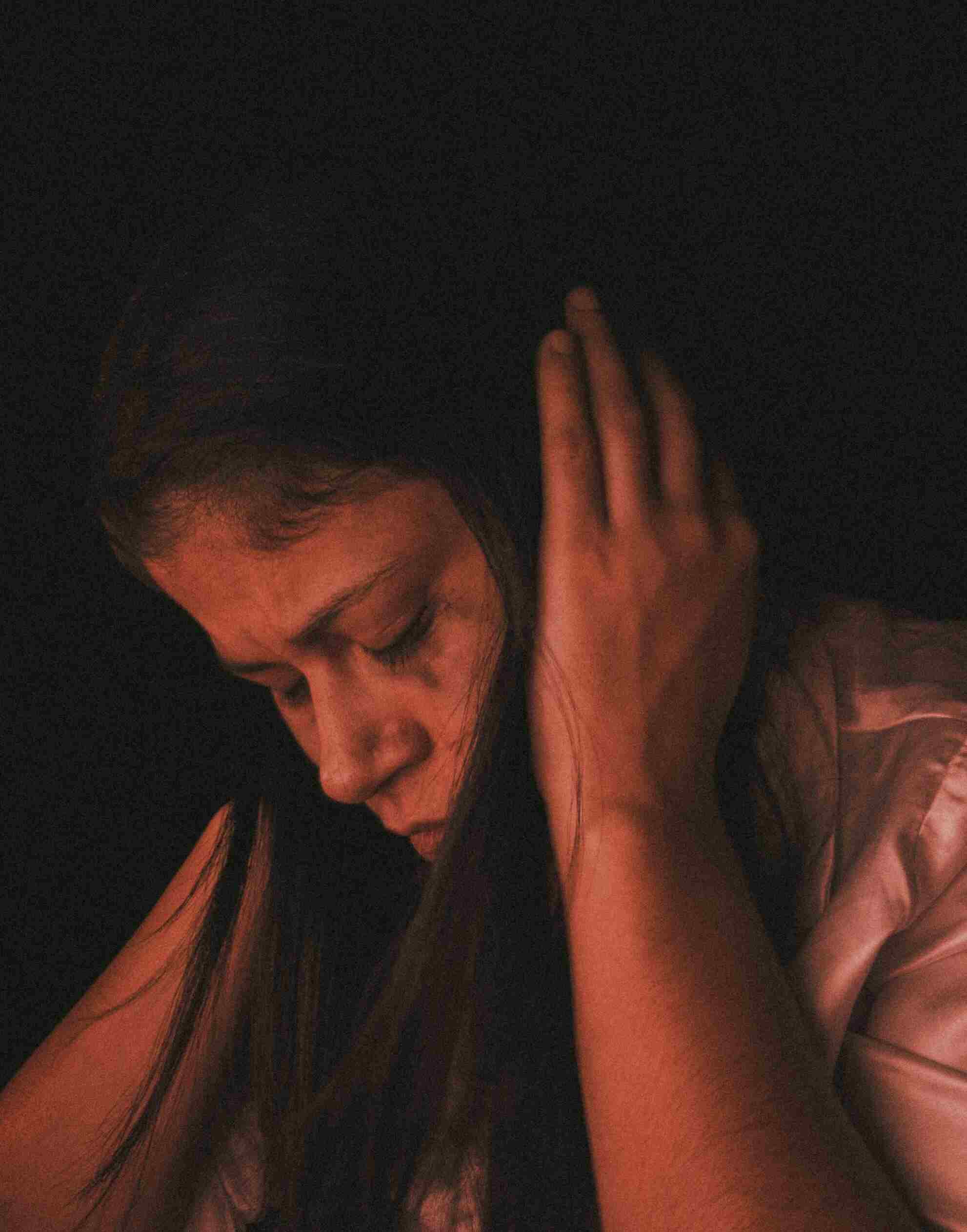

Common Causes of Depression
Write the common causes of depression.
The Treatments We Provide to Help Overcome Depression
No two people are affected the same way by depression, and there is no “one-size-fits-all” treatment. Finding the treatment that works best for you is what makes us different from the rest. At Samatva, we focus on providing personalized, tailored, and patient-centric management plans, combining medical expertise from the best in the field along with non-pharmacological methods to achieve the best possible outcome for you. No two people are affected the same way by depression, and there is no “one-size-fits-all” treatment. Finding the treatment that works best for you is what makes us different from the rest. At Samatva, we focus on providing personalised, tailored, and patient-centric management plans, combining medical expertise from the best in the field along with non-pharmacological methods to achieve the best possible outcome for you.